 Loomi Web
Template vs. custom website: which is right for your local business?
A template is not automatically cheap and a custom site is not automatically better. Here is how to actually decide — using what the website has to do, not a mystery number.
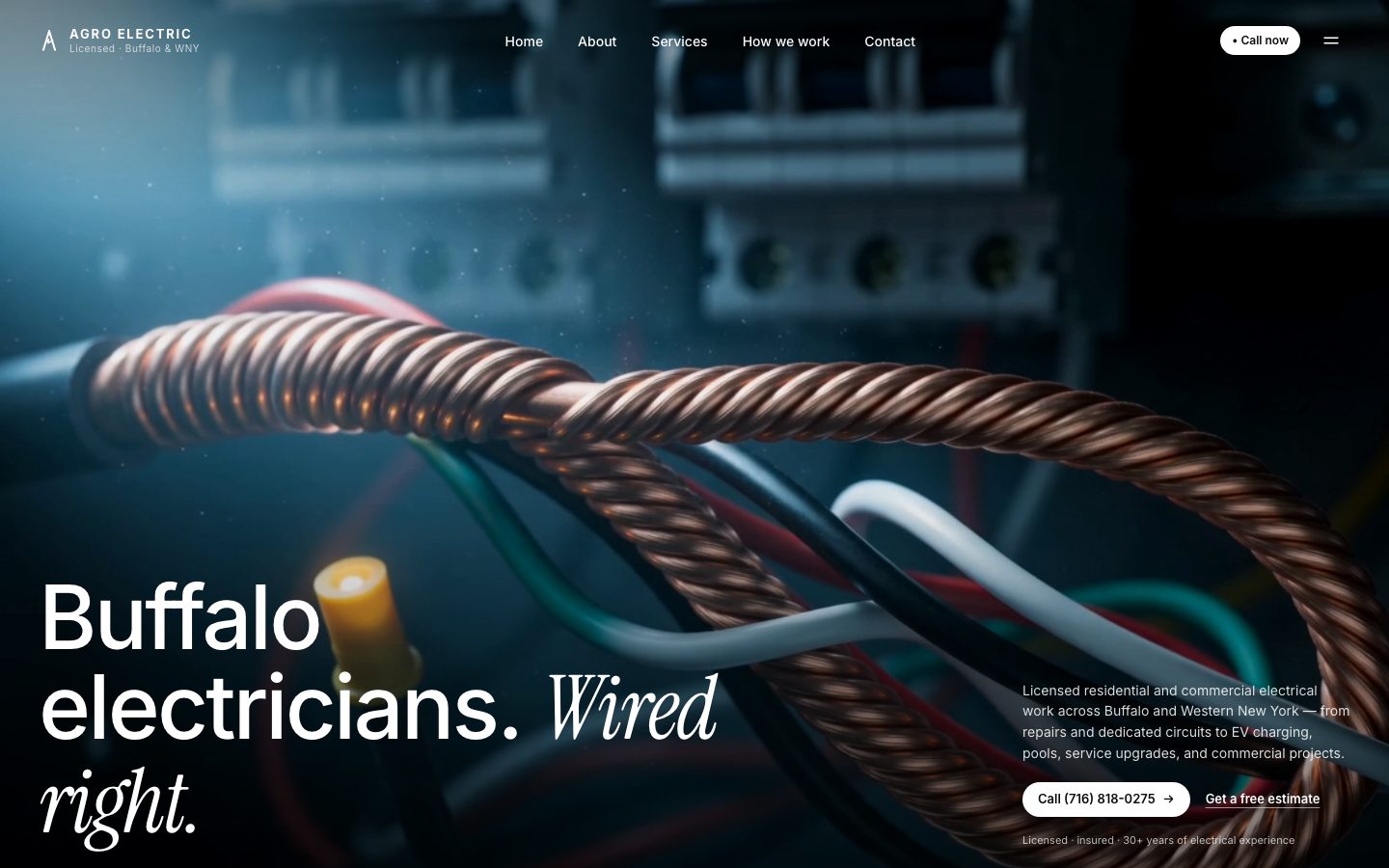
A custom homepage built for Agro Electric — the hero section leads with what they do and the one action that matters. See the case study →
Every local business owner eventually runs into the same question when it is time for a new website: should I just grab a template, or should I pay for something custom? It is a completely fair question, and the honest answer is usually not the one you get from whoever is trying to sell you the site. The truth is that a template is not automatically cheap, and a custom build is not automatically better — each one is simply a tool, and the right tool depends entirely on the job you need the website to do. A template can be exactly right for a business whose message is already clear and whose site only needs a clean coat of paint. A custom build earns its place the moment the website has to work harder than that — winning trust, showing up in local search, and turning a stranger on their phone into a booked job. For these reasons I believe the template-versus-custom decision should never start with the price. It should start with what you actually need the site to accomplish in its first year.
The real difference isn't the price tag
One thing that surprises a lot of owners is how little this decision is really about money. A template hands you a proven structure and a fast start, which is genuinely valuable. What it does not hand you is a point of view. Templates are built to fit thousands of businesses at once, which means they are, by design, a little generic — and generic is a hard thing to sell against when a customer is comparing you to three other companies in the same afternoon.
A custom website starts from the opposite direction. Instead of asking "how do I fit my business into this layout," it asks "what does this specific business need to prove, and to whom, and what should a visitor do next." That is a slower and more expensive way to begin, but it is also the difference between a site that merely exists and a site that actually does a job.
A cheap website that has to be replaced in a year is not cheap. It is just a slow way of paying twice.
This shows how the price you see on day one can be misleading. The number that matters is the total cost over the life of the site, including the work it wins — or quietly loses — while it is live.
Where a template actually makes sense
One example of a business that should probably start with a template is the shop whose offer is already crystal clear and whose current words are already strong. If people know exactly what you do and you just need those words to look presentable on a phone, a clean template can get you there quickly and affordably, and there is nothing wrong with that.
Another example is the brand-new business that simply needs to exist online this week. When you are still figuring out your services, your pricing, and your niche, spending heavily on a custom build is premature. A simple template lets you get a real page up, start collecting calls, and learn what your customers actually ask before you commit to a larger investment. In my experience, this is a smart, humble way to start — as long as you treat it as a starting point and not a finish line.
Where a custom website earns its keep
On the other hand, a custom website earns its keep the moment your site has a real job to do. For most local service businesses, that job is trust. A customer about to let an electrician into their home, hand their child to a preschool, or hire a firm for something that matters is looking for reassurance — credentials, real work, a clear process, and evidence that the business is genuinely good at what it does. A generic template struggles to deliver that, because reassurance is specific and templates are not.
The second job a custom site does better is getting found. Search engines and the newer answer engines reward pages that are fast, well-structured, and genuinely useful for a specific place and service. A custom build gives you real control over speed, page structure, and the local, service-specific content that helps you rank for the exact things your customers are typing — "electrician near me," "website design in Buffalo," and the dozens of quieter searches that add up to steady work.
The best custom website is not the prettiest one. It is the one that makes the right customer feel understood in about four seconds.
This shows how a custom build pays for itself over time. It is not decoration — it is the front door of the business, and a front door that helps the right people walk in is worth far more than it costs.
What custom actually looks like
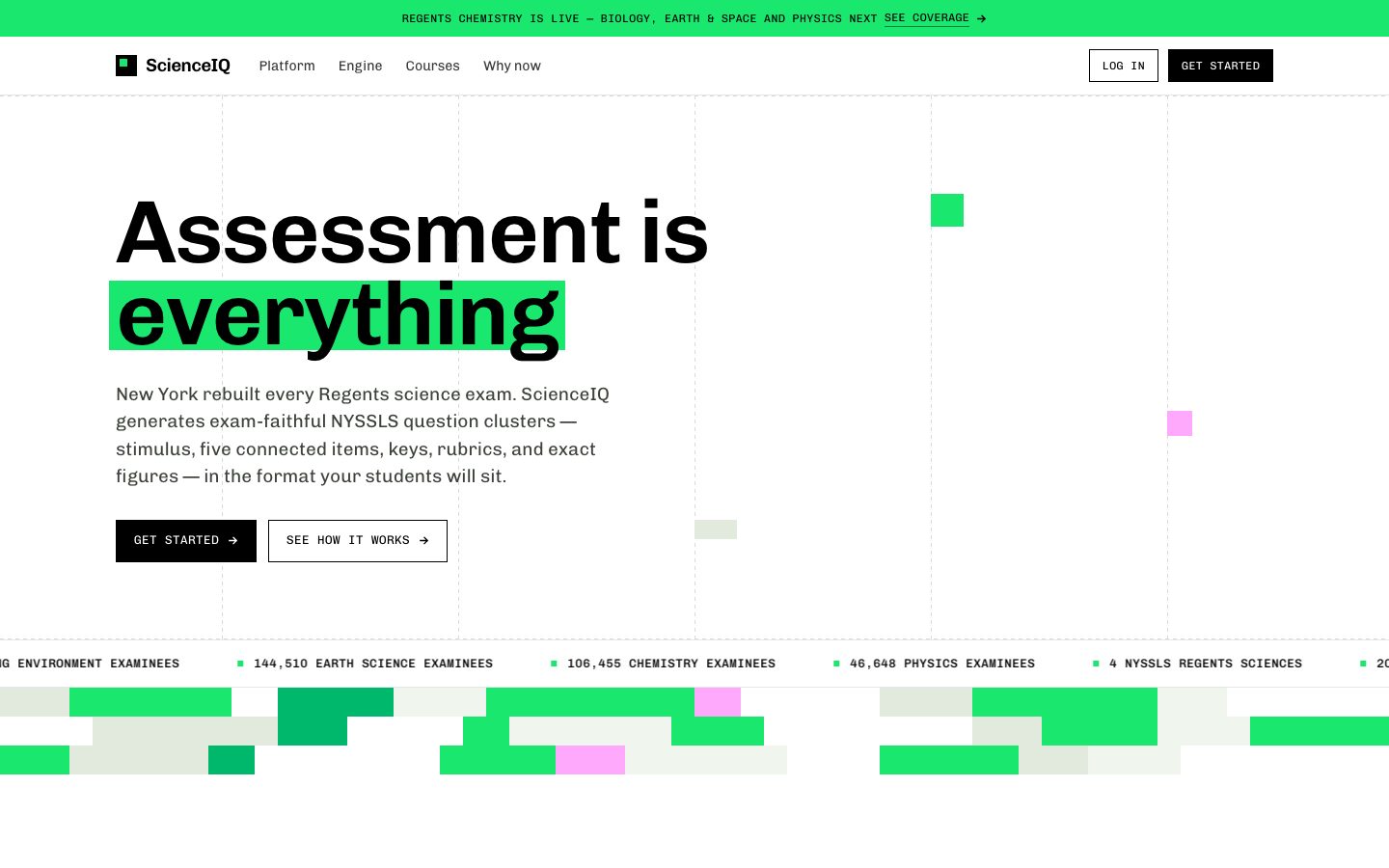
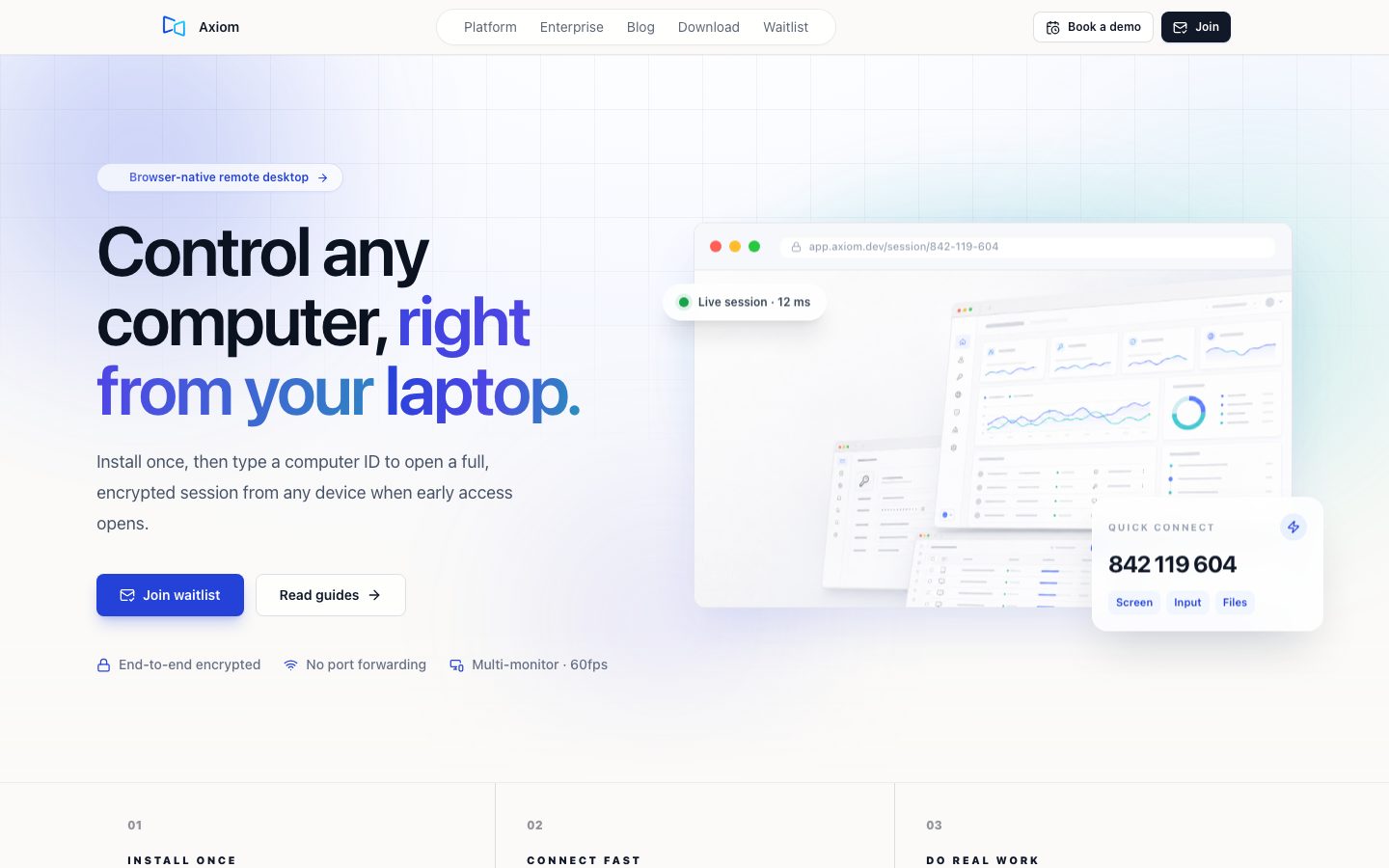
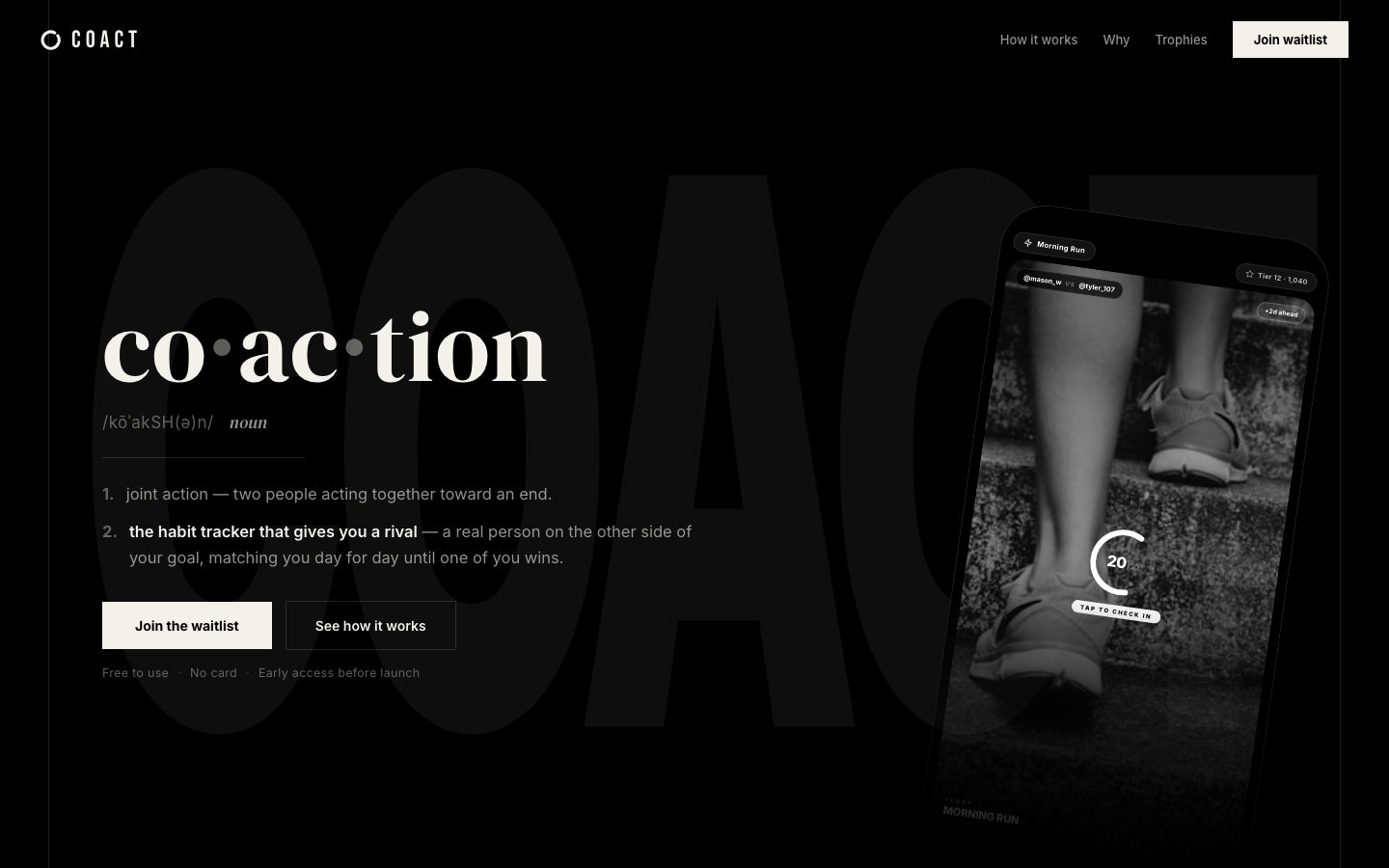
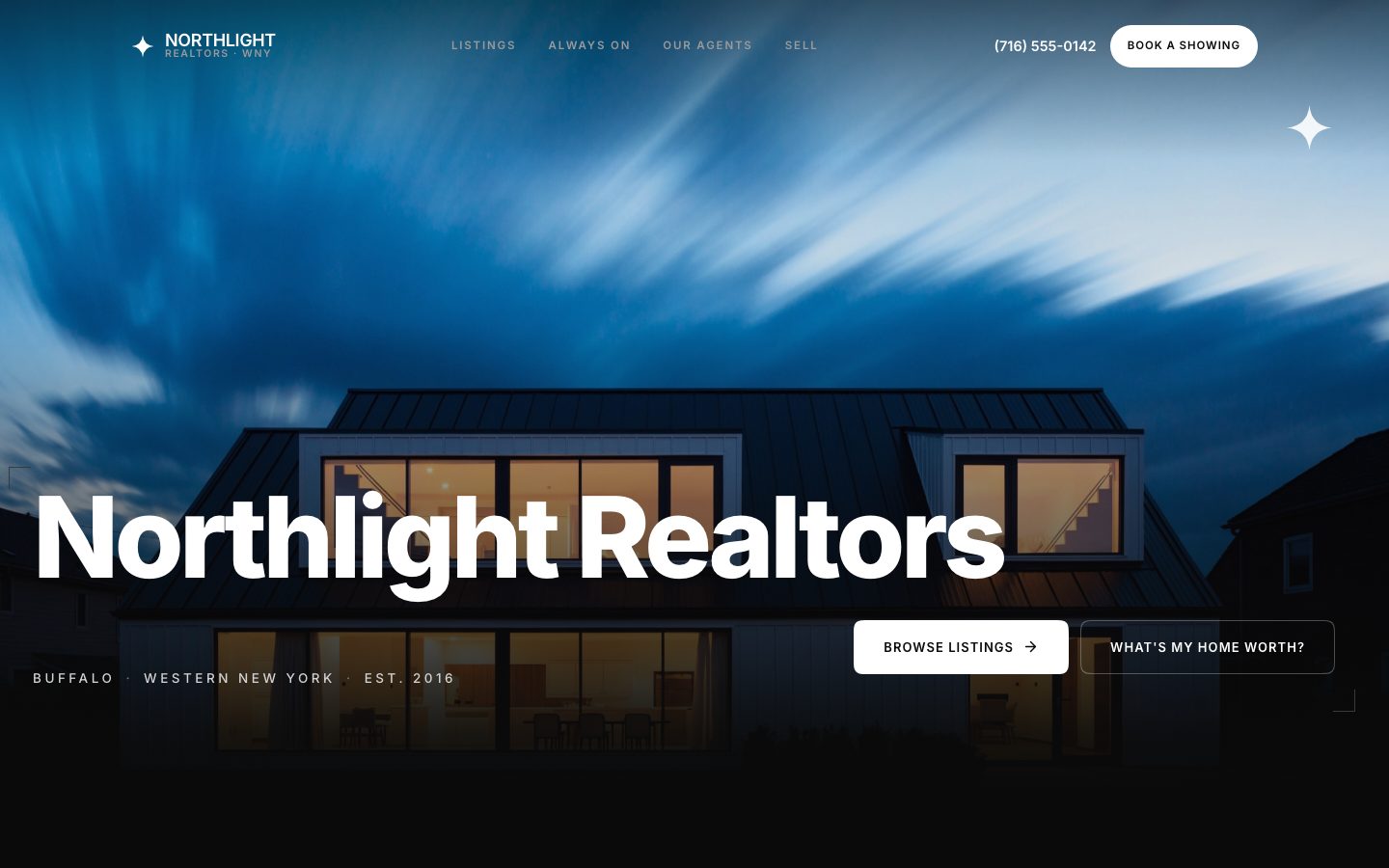
It helps to see the difference rather than just read about it. Here are a few recent Loomi Web builds. Notice how each hero section leads with a clear message, looks nothing like the others, and points the visitor toward one obvious next step — the exact things a shared template makes hard to do well.
The mobile test most templates quietly fail
Another clear example of why the decision matters shows up on the phone. For most local businesses, the very first visit happens on a small screen, often while the customer is standing in their kitchen deciding who to call. A template usually treats mobile as a shrunken version of the desktop design. A custom build treats the phone as its own design problem — big tap targets, a phone number that is one thumb away, and the most important line of copy right where the eye lands first.
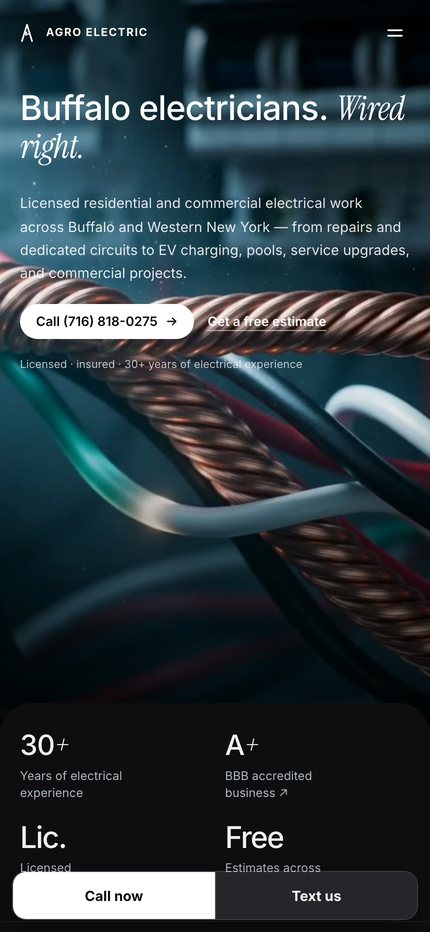
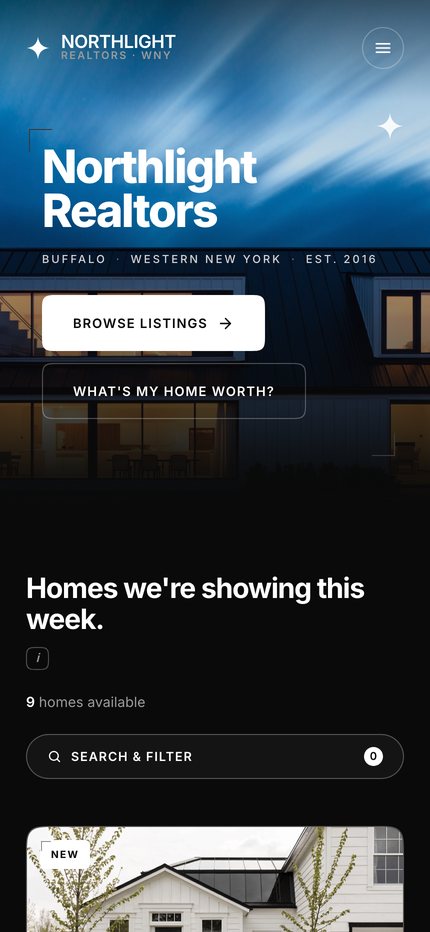
This is a clear example of the kind of small decision that a template cannot make for you. It is not dramatic, but it is the difference between a customer who taps "call" and a customer who backs out and dials the next name on the list.
How to decide in one honest conversation
The good news is that you do not have to guess. The decision gets simple the moment you stop asking "what is the cheapest option" and start asking "what does this site actually need to do." Write down the two or three services you most want to grow, the questions customers always ask before they buy, and what you want a visitor to do the second they land. If a clean template can carry all of that today, use one and move on with a clear conscience. If it cannot — if your business lives or dies on trust, local search, and turning phone visits into booked jobs — a custom build is not a luxury. It is the tool that fits the job.
If you want a sense of real numbers before that conversation, we wrote a plain-English breakdown of what a website costs in Buffalo, and a redesign checklist for spotting the signs your current site is quietly costing you work. You can also see the full range of custom website design we do and how pricing works.
Frequently asked questions
Is a custom website worth it for a small local business?
A custom website is worth it when your site has a real job to do — earning trust, ranking for local searches, and turning phone visitors into booked work. If your offer is already clear and you only need a clean, presentable page, a good template can be enough. The deciding factor is the work the website must accomplish, not the price tag.
How much does a custom website cost compared to a template?
A template is cheaper to start and a custom build costs more up front, but the honest comparison is the total cost over a year or two. A cheap template that has to be rebuilt after it fails to win work is often the more expensive path. Custom pricing scales with the number of services, whether the copy needs a rewrite, and any integrations like booking or CRM tools.
Will a template website hurt my Google ranking?
A template will not automatically hurt your ranking, but it can hold you back if it produces slow, generic, or thin pages that read like every other site using the same theme. Custom builds make it easier to control speed, structure, local relevance, and the unique content that search engines and answer engines reward.
How long does a custom website take to build?
A focused custom website for a local service business usually takes a few weeks, depending on how many service pages are needed and how ready the content and photos are. A template refresh can be faster, while a larger multi-location or integration-heavy build takes longer.
Can I start with a template and upgrade to custom later?
Yes. Starting on a template to simply exist online, then investing in a custom build once the business is established, is a completely reasonable path. Just plan for the switch so you keep ownership of your domain, content, and any leads, and so the upgrade does not mean starting from zero.
In conclusion
In conclusion, the choice between a template and a custom website is really a choice about ambition. A template is the right call when the site just needs to exist and look tidy, and a custom build is the right call when the site needs to earn trust, get found, and turn visits into real work. Both are legitimate, and the mistake is not picking one — the mistake is picking based on the sticker price instead of the job. Figure out what you need the website to do first, and the answer tends to make itself obvious. At the end of the day, your website is the one employee that works every hour of every day, so it is more than worth the few minutes it takes to decide whether it is truly built for the work you want it to bring in.