Loomi Web
What to automate first when you're short-staffed
You can't do everything at once. Here's the order that gets you the most, fastest.
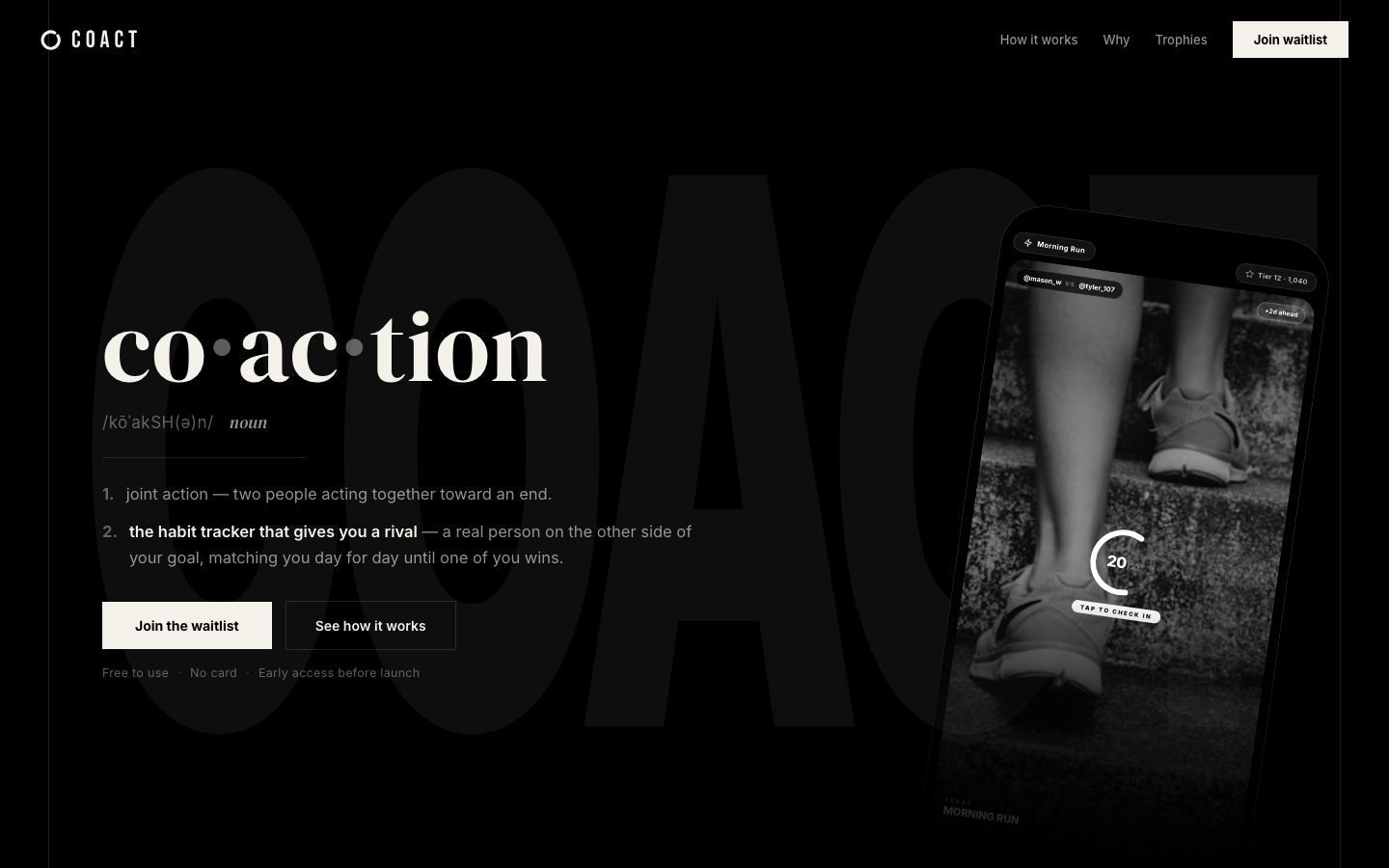
Coact — a build where the busywork is handled by the site itself, not by staff. See the case study →
When you're short on hands, "automate your business" sounds great in theory and overwhelming in practice. Where do you even start? The trick is to sequence it — fix the leaks that lose money first, then add the pieces that compound.
Here's the order we recommend to almost every local business, and why.
1. Missed-call text-back
Always first. It captures demand you already earned — people who called and didn't get through. It's fast to set up, easy to understand, and usually pays for the whole system on its own. If you do nothing else, do this. (We wrote a whole playbook on it here.)
2. Appointment reminders
No-shows are money that was already on your calendar walking out the door. Automated text and email reminders — with a one-tap reschedule link — quietly recover a chunk of that revenue every single week. It's the second-fastest payback after missed-call text-back.
3. Instant lead reply & booking
Speed-to-lead is brutal: the business that answers first usually wins. Once your missed calls and reminders are handled, put an assistant on your web chat and forms so every new inquiry gets a real answer — and ideally a booked appointment — within seconds, day or night.
Most "lost" leads aren't lost. They just went cold while waiting for a reply that came too late.
4. Review requests
After a job is done well is the perfect moment to ask for a review — and it's the moment most businesses forget. Automating a friendly, well-timed request steadily builds the reputation that wins your next customer. Set it and forget it.
5. Reactivation & win-back
Last, layer in gentle nudges to past customers: a seasonal check-in, a "time for your next visit," a we-miss-you note. It's found money from people who already trust you, and it fills the slow weeks.
Why this order works
Notice the pattern: each step is cheaper to win than the last. You start by recovering demand you already paid for (missed calls, no-shows), then get faster at converting new demand, then compound your reputation and your existing base. Every stage funds the next.
You don't have to build all five at once. Turn on one, let it prove itself, and add the next. That's how a two-person shop ends up booking like a ten-person team — without hiring.