 Loomi Web
How to choose a website designer for your local business
The right designer is not the one with the flashiest portfolio. It is the one who asks the right questions about your customers — and answers yours in plain English. Here is how to tell the difference.
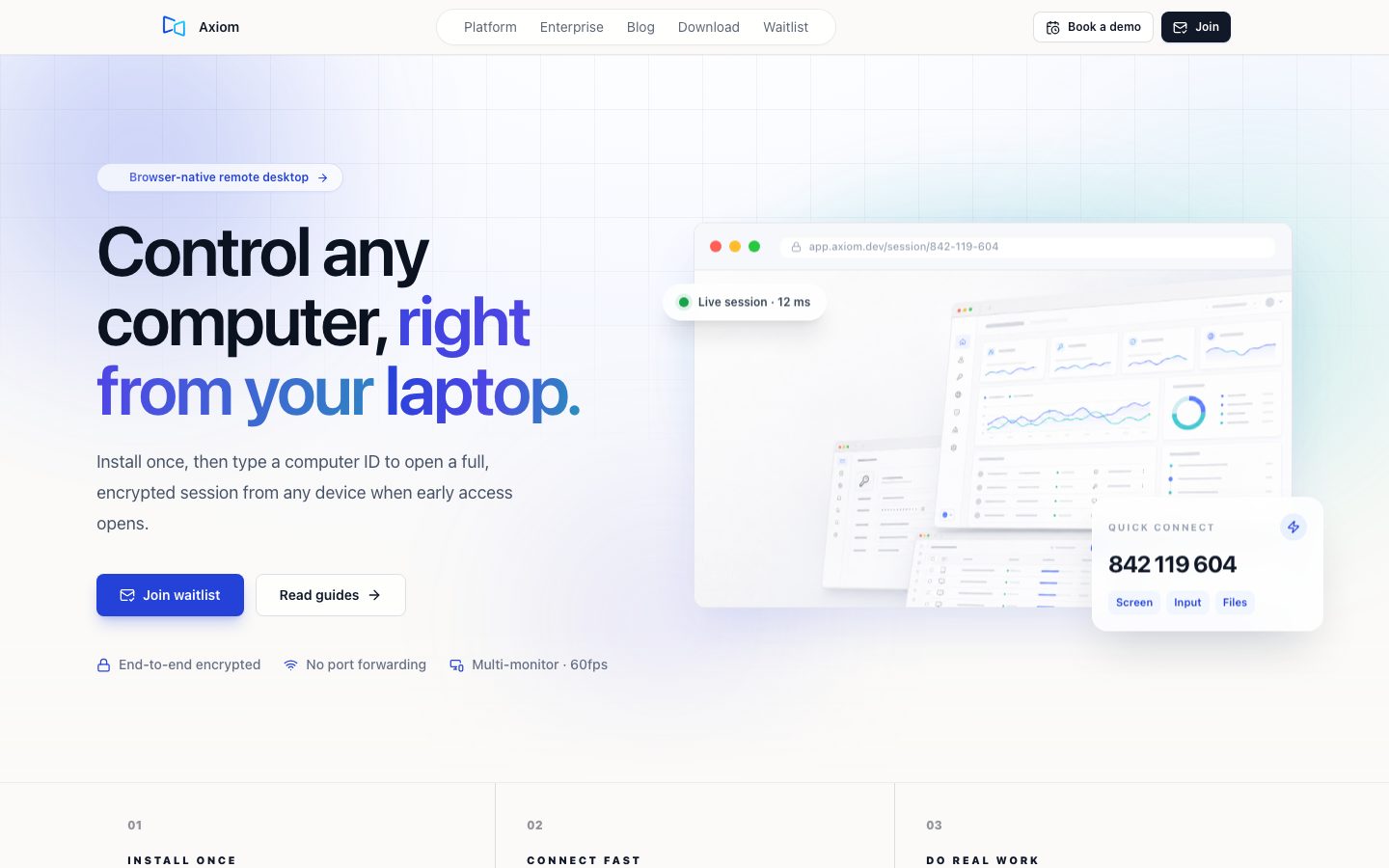
A custom site built for Axiom, a professional-services firm — designed around clarity, trust, and one practical next step. See the case study →
How do you pick the right person to build the most visible part of your business when you have never hired a web designer before? For most local business owners, this is a decision they make once every five or ten years, which means they walk into it without much practice, and they end up comparing proposals that look completely different, cost completely different amounts, and promise completely different things. It is easy to default to the cheapest quote, or to whoever has the prettiest portfolio, or to a friend of a friend who "does websites." But your website is the place where a stranger decides whether to trust you with their home, their health, or their money, and the person who builds it shapes that first impression for years. For these reasons I believe you should choose a website designer the same way you would hire a key employee — by how well they understand your customers, how honestly they explain the work, and whether they leave you in full control of what you paid for.
Start with the job, not the look
The single best test of a website designer happens in the first conversation, and it has nothing to do with design. A good designer will spend most of that call asking about your business: which services you most want to grow, who your best customers are, what they usually ask before they hire you, which towns you serve, and what you want a visitor to do the second they land. A weaker designer will jump straight to colors, fonts, and a template gallery.
That difference matters more than it sounds. A website for a local service business has a very specific job — earn trust quickly, show up when someone nearby searches, and make calling or booking effortless. A designer who never asks about that job is going to build you something that looks nice and does very little.
If a designer talks more about your logo than your customers, they are designing a brochure, not a website that brings in work.
This shows how the questions a designer asks tell you far more than the answers they give. You are not just hiring someone to make a page look good; you are hiring someone to think clearly about how your customers decide.
Look at real work, and look at it on a phone
One example of where owners get misled is the portfolio. Almost every designer has one, and almost every portfolio looks impressive as a scroll of polished screenshots. The better move is to click through to the actual live sites, especially the ones for businesses like yours, and ask a few honest questions. Can you tell what the business does in the first few seconds? Is there an obvious way to call, book, or request a quote? Does it feel like a real company with real people, or like a stock theme with the name swapped in?
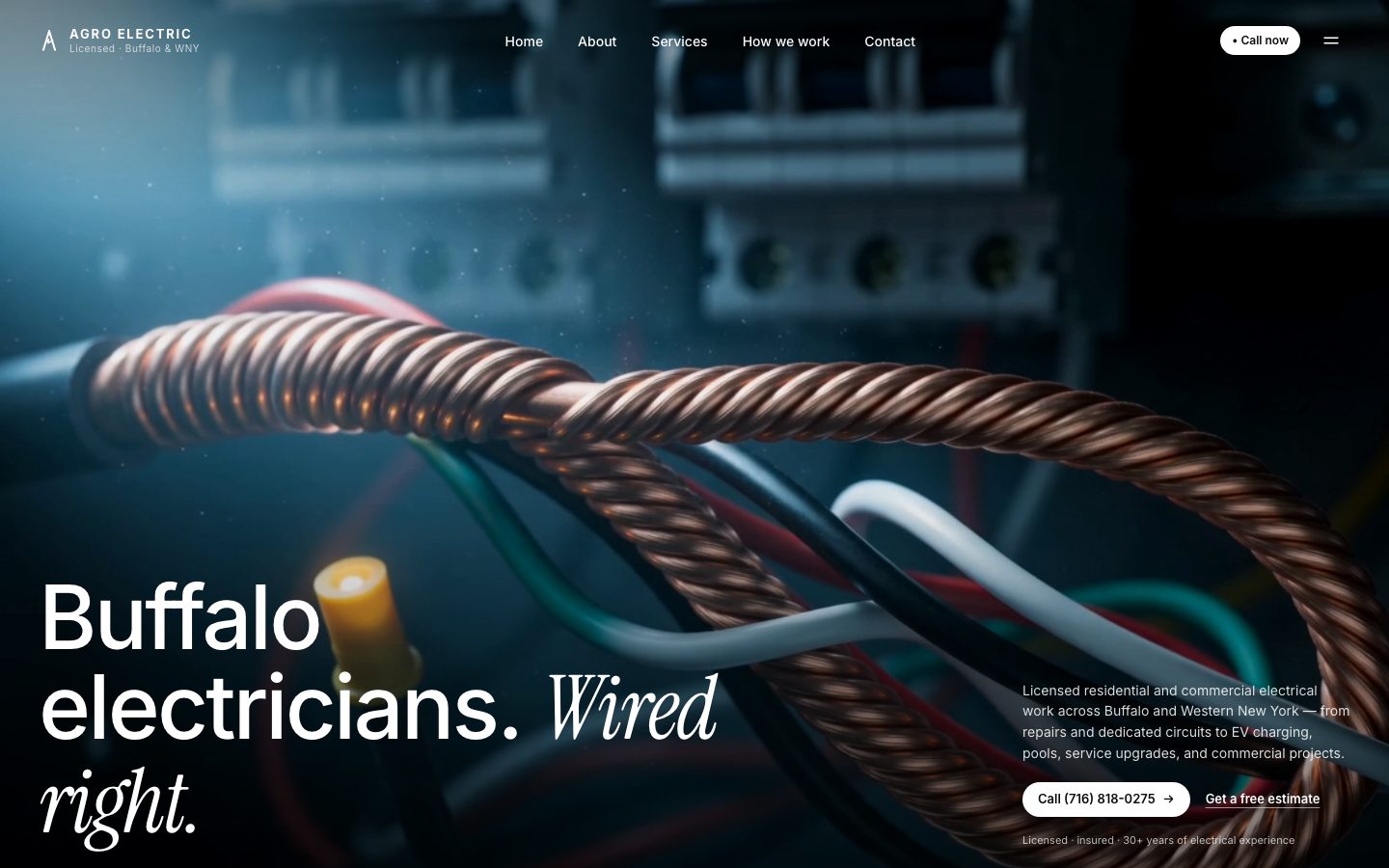
Another thing worth checking is whether the work is honestly labelled. A concept or a mockup is a perfectly legitimate way for a designer to show their thinking, but it should be called a concept, not presented as a paying client's results. A designer who is careful about that small distinction is usually careful about the bigger ones too.
Then pull those same sites up on your phone, because that is where most of your customers will meet you first — often while they are standing in the kitchen deciding who to call. Look for a phone number or book button that is one thumb away, text you can read without pinching, and a page that loads without making you wait.
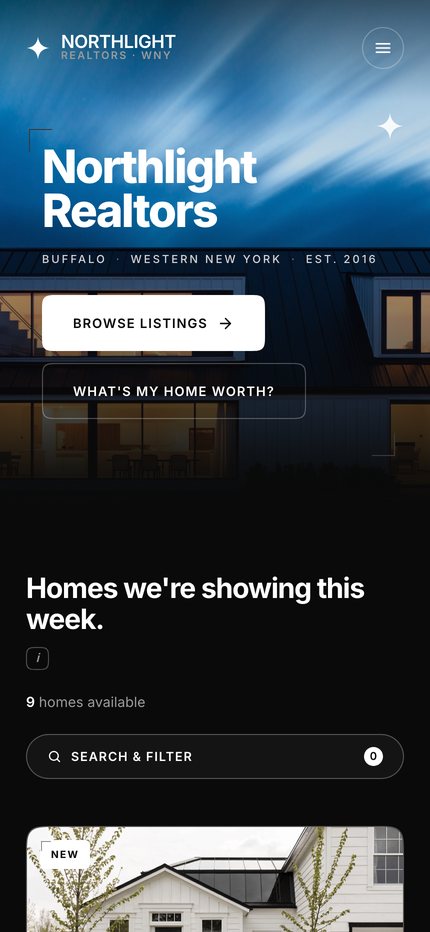
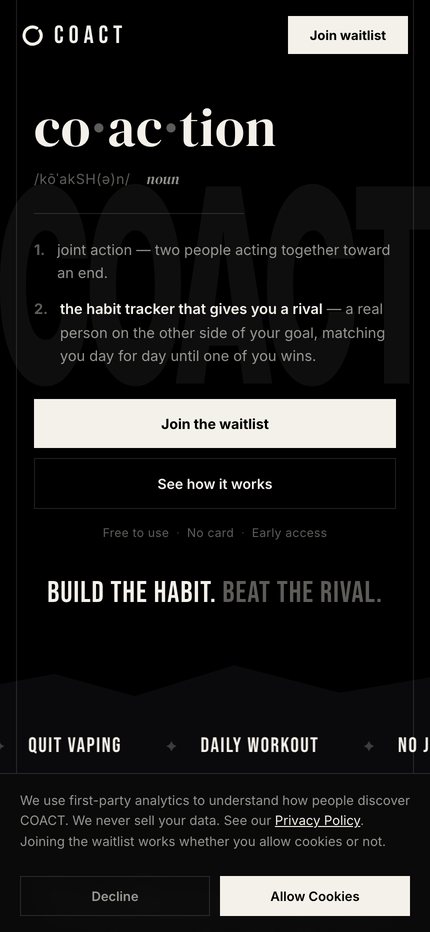
This is a clear example of why a designer's mobile work deserves more attention than their desktop screenshots. A site that only looks good on a big monitor is a site designed for the designer, not for the customer.
Ask who writes the words
One of the most overlooked questions in the whole process is "who is writing the copy?" Many designers assume you will hand them the text, and many owners assume the designer will handle it, and the result is a beautiful layout filled with placeholder-sounding sentences written at the last minute. The words on your homepage — what you do, who you do it for, why someone should trust you, and what to do next — do more to win a call than any color choice ever will.
A good designer will either write the copy with you or have a clear process for helping you write it, built around the real questions your customers ask. They should also understand that the same words have to work for search engines and the newer answer engines, which reward pages that plainly answer a specific question for a specific place and service. If you want a picture of what that looks like in practice, we broke down the anatomy of a website that books jobs section by section.
Make them explain the price
On the other hand, some of the most important questions are about money, and they deserve direct answers. Proposals for the same small business can range wildly, and the only way to compare them fairly is to understand exactly what each one includes. How many pages? Who writes the copy? Are photos included? Is search setup, like titles, descriptions, and structured data, part of the build or an extra? What does hosting cost each month, and what happens when you need a change after launch?
A trustworthy designer can walk you through their number line by line without getting defensive. A price that cannot be explained is usually a price that will grow once the project starts. We wrote a plain-English guide to what a website costs in Buffalo that covers the pieces that drive the number, and if you are still deciding whether you even need a custom build, our comparison of template vs. custom websites is a good place to start.
Get ownership in writing
This is the part nobody wants to think about until it is too late. Before you sign anything, confirm that your domain is registered in your name, that you own the content and any images you paid for, and that any leads collected through your forms belong to you. Ask what happens if you ever decide to part ways — can you take the site with you, or does leaving mean starting from zero?
You should be able to fire your web designer without losing your website. If you cannot, you do not really own it.
This shows how a good working relationship is built on the freedom to leave. The best designers are completely comfortable putting ownership in writing, because they expect to keep your business by doing good work, not by holding your domain hostage.
Red flags worth walking away from
A few warning signs come up again and again. The first is any guarantee of a number-one ranking on Google — nobody controls that, and anyone who promises it is either overselling or planning shortcuts that can hurt you later. The second is a designer who cannot show real, live work, or who blurs the line between concepts and actual client results. The third is vague answers about ownership, hosting, or what the price includes. And the last is a process that never once asks about your customers, your services, or your goals. Any one of these is a reason to slow down and ask more questions, and several together is more than enough reason to keep looking.
Does it matter if the designer is local?
A local designer is not a requirement, and plenty of good work is done remotely. That said, there is a real advantage to working with someone who knows the towns you serve, the way people around here actually search, and what your competitors down the road look like online. For a business in Buffalo or anywhere in Western New York, a designer who already understands that market can skip a lot of guesswork. Whether they are across town or across the country, the question to ask is the same: are they willing to learn your market as well as you know it? You can see how we approach custom website design for local service businesses and how our pricing works.
Frequently asked questions
What should I look for in a website designer for my local business?
Look for a designer who asks what the website needs to accomplish before talking about looks, can show real work for real businesses, has a plan for your words and your mobile experience, and puts in writing that you own your domain, content, and leads. A beautiful portfolio matters far less than a designer who understands how local customers decide who to call.
What questions should I ask a web designer before hiring them?
Ask who writes the words on the site, how they design for phones, what exactly the price includes, how long the project takes, what happens after launch, and who owns the domain, website files, and content. A good designer answers each of these plainly and in writing.
Should I hire a local website designer or a remote one?
A local designer is not required, but it helps when they understand the towns you serve, the searches your customers make, and how your competitors present themselves. What matters most is that the designer learns your market, whether they are down the street or across the country.
What are the red flags when hiring a website designer?
The biggest red flags are guaranteed number-one Google rankings, a price that cannot be explained line by line, no real work to show, vague answers about who owns the site, and a process that never asks about your customers or your goals. Any one of these is a reason to slow down; several together is a reason to walk away.
Do I own my website if a designer builds it?
You should, but only if the agreement says so. Before signing, confirm in writing that the domain is registered in your name and that you own the content, images you paid for, and any leads the site collects, so you can move the site later without starting over.
In conclusion
In conclusion, choosing a website designer comes down to three things: whether they understand the job your website has to do, whether they explain their work and their price honestly, and whether they leave you in full ownership of what you paid for. The portfolio, the fonts, and the colors all matter, but they come second to a designer who asks about your customers first and treats your site as a tool for winning work rather than a piece of art to hang on the wall. Take your time, ask the uncomfortable questions, and pay attention to how they answer. At the end of the day, you are not just buying a website, you are choosing a partner for the front door of your business, and the right one will make every customer who walks through it feel like they came to the right place.